Early childhood education lays the foundation for lifelong learning. Enrolling your child in a toddler program can provide numerous benefits that contribute to their overall development. These programs create structured environments where young children can explore, learn, and thrive. As parents, ensuring that your children have access to the best educational tools and environments right from the beginning is pivotal.
Through a well-rounded toddler program, children not only develop academic skills but also essential social and emotional skills.
1. What Are the Benefits of Enrolling in a Toddler Program?
Enrolling your child in a toddler program exposes them to a structured learning environment akin to what they’ll experience in kindergarten. This transition into formal education later becomes smoother because they have already adapted to structured group settings. Children in these programs are introduced to pre-academic skills such as basic math, literacy, and problem-solving strategies. Moreover, being in an early learning setting boosts their language and communication abilities significantly. They become more adept at expressing their thoughts, feelings, and ideas with others.
Another compelling reason to consider a toddler program is the opportunity it provides for individualized learning. Teachers in these programs are trained to recognize and cater to the diverse learning needs and styles of each toddler, ensuring that each child reaches their potential. These tailored experiences can boost self-confidence as children grasp new skills and concepts at their own pace. Furthermore, the presence of small class sizes allows teachers to give focused attention, helping in early identification of any learning difficulties. This early intervention can make a significant difference as they continue their educational journey.
The benefits go beyond academics and into building life skills such as independence and self-discipline. Participating in a toddler program encourages children to do tasks independently—whether it’s packing up their supplies or cleaning after an activity. They learn the importance of routine and self-reliance by following daily schedules prepared by preschool educators. Such environments emphasize the importance of both individual and group responsibilities. In doing so, toddlers begin to understand teamwork, sharing, and cooperative problem-solving.
2. How Does Interaction with Peers Benefit My Toddler?
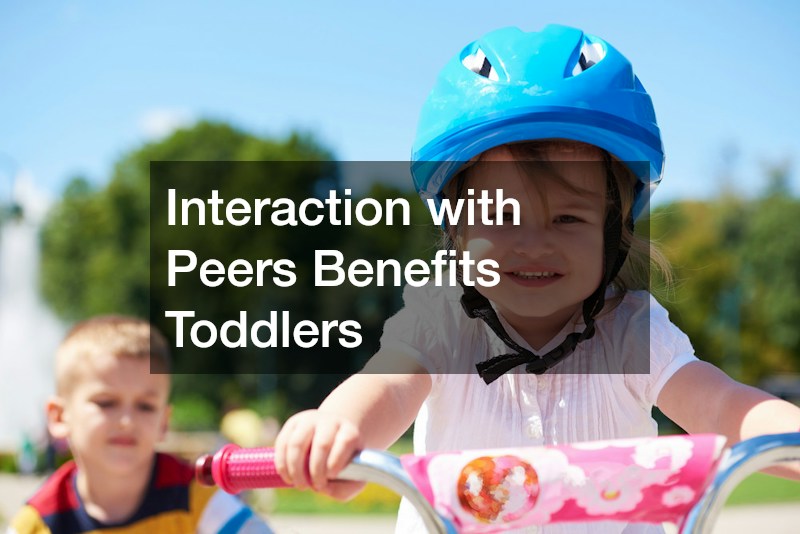
Interaction with other children is a critical component of toddler development. These interactions serve as a primer for socialization outside the immediate family unit. Engaging with peers allows children to develop essential social skills that include sharing, taking turns, and resolving conflicts amicably. These situations help toddlers learn to empathize with others, seeing different perspectives and understanding cooperation. It’s in these shared spaces that young kids start forming early friendships, learning to build and navigate relationships.
Frequent interaction with other toddlers helps in improving communication skills. As children engage with their peers, they naturally pick up new vocabulary and learn to express themselves more clearly. They also observe social cues, like body language and tone of voice, which are crucial for effective communication. This active engagement with a diverse group of peers in a toddler program nurtures better social adaptability and harmony. The growth in verbal skills during this stage is pivotal, laying the groundwork for successful communication in later years.
Peer interaction also contributes significantly to cognitive and emotional development. Children better understand their emotions and those of others through play and discourse. This emotional literacy enables them to recognize and regulate their feelings, an essential skill for school readiness. Moreover, learning to participate in cooperative play nurtures a sense of belonging and boosts self-esteem. The emotional support that they feel in a nurturing program environment becomes an anchor, fostering resilience and emotional intelligence.
3. What Should I Look for in a High-Quality Toddler Program?
When seeking a high-quality toddler program, prioritize facilities that have a nurturing and welcoming atmosphere. The environment should be vibrant and safe, facilitating both learning and play. Look for programs with small teacher-to-student ratios, as this ensures that every child gets the attention they need. An institution that promotes diversity and inclusivity, with understanding and respect for different backgrounds, will offer a richer educational experience. This openness cultivates acceptance, helping children appreciate and value differences among their peers.
Evaluate the program’s curriculum to ensure it is comprehensive and adaptable to the varying needs of toddlers. A solid curriculum not only focuses on academic learning but also provides opportunities for physical activity and creative expression. Engage with the prospective educators to understand their teaching philosophy and approach. Teachers should demonstrate care, patience, and passion for nurturing young minds. Regular communication between teachers and parents is also vital, as it keeps parents informed and involved in their child’s learning process.
Modern toddler programs should also emphasize the integration of technology where appropriate, balancing traditional learning methods with digital literacy. However, this should be done in a controlled manner, ensuring screen time is limited and meaningful. Choose a program that values continuous improvement and is adaptable to modern educational demands and challenges. Check for testimonials or reviews from other parents, which can provide insight into their experiences and the institution’s reputation. Altogether, these elements combine to create an enriching environment for toddler development.
4. When is the Right Time to Enroll My Child?
Deciding when to enroll your child in a toddler program can depend on several factors, including your child’s readiness and developmental milestones. Most programs accept children from 18 months to 3 years of age, but assessing your child’s unique temperament and social readiness is crucial. If your child is showing increasing curiosity and a readiness to interact with their peers, it might be an opportune time to consider enrollment. Observing how they handle structured activities at home or in smaller group settings can provide insights into their readiness. Consulting with your pediatrician can also help determine the right time based on your child’s specific needs.
The decision may also rest on your family’s situation and flexibility. If both parents are working, a toddler program provides alternative care that is educationally enriching. For families with older siblings, a toddler program can also ensure that your youngest receives focused attention and stimulation. Consider the potential impact on the family’s schedule and daily dynamics. Making sure the timing feels right for both child and family can help make the transition smoother and more enjoyable for everyone involved.
Financial readiness and planning are also key components when considering the timing of enrollment. Early childhood education requires an investment, so understanding the financial commitment and exploring options for assistance or subsidies is important. Comparing different programs with varying costs and offerings can help you choose a program that aligns with your budget without compromising on quality. If cost is a concern, it might be worth exploring part-time options or programs that offer flexible schedules. Ultimately, the timing should align with your ability to provide comprehensive early childhood education that fits your family’s values and circumstances.
5. How Will a Toddler Program Complement Our Family Values?
A well-selected toddler program should ideally complement and support your family values, creating a cohesive educational and developmental environment. Research programs that emphasize similar principles that are important to your household, such as respect, sustainability, or cultural awareness. Choosing a program that reinforces these values can help children understand their family’s belief systems better. For instance, a program that includes nature-based learning might resonate with families who value environmental stewardship. Aligning these underlying principles ensures that your child receives consistent messages about what is important.
Furthermore, toddler programs often provide a community environment that supports family values through events and activities. Workshops and family days can strengthen the bond between home and school, fostering a shared commitment between educators and parents. These interactions enable parents to be active participants in their child’s early education journey. Opt for programs that encourage and facilitate parental involvement, as these often yield the most satisfying and consistent experiences for children. This collaboration helps reinforce the values and principles being taught at home.
Communication is key when identifying how a toddler program aligns with your family values. Engage openly with program directors and educators to express your family’s priorities and values. This transparency ensures that educators are aware of and sensitive to your preferences and expectations. In doing so, they can tailor their approaches to align more closely with your family’s ethos. The resulting synergy not only enriches your child’s learning experience but also fosters a trusting and supportive relationship between home and school.
In conclusion, sending your little one to a toddler program can profoundly impact their educational journey and social development. The key components such as structured learning, peer interaction, well-rounded curriculums, and alignment with family values make these programs indispensable. Selecting a high-quality toddler program ensures your child receives the best start possible in their educational journey. It provides them with a foundation that nurtures curiosity, confidence, and critical social skills from a young age. Prioritizing these early experiences lays down a path of lifelong learning and growth, underscoring the importance of investing in your child’s early education.