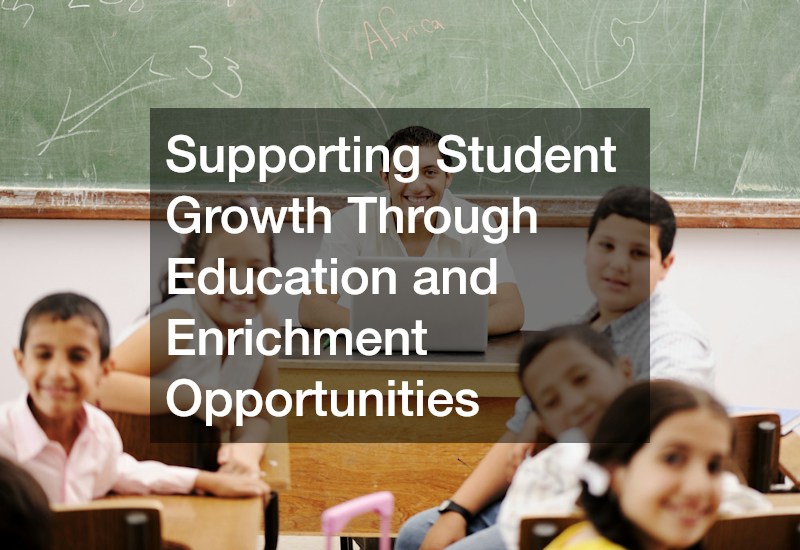
Children develop through a combination of academic instruction, social experiences, physical activity, and opportunities to explore their interests. Choosing the right educational environment can help students build knowledge, confidence, independence, and skills that support continued learning. However, every child has different needs, strengths, and preferences, so families should consider more than academic performance when making educational decisions.
Parents can support student growth by evaluating teaching approaches, understanding school transitions, and selecting activities that complement classroom learning. It is also important to consider how children respond to different environments and whether they feel comfortable asking questions, trying new things, and learning from mistakes.
A well-rounded educational experience does not require filling every hour with structured activities. Instead, families can focus on meaningful opportunities that encourage curiosity, responsibility, creativity, and healthy relationships. By making thoughtful choices and staying involved in their child’s progress, parents can help create a supportive foundation for lifelong learning.
Identify Learning Needs Before Choosing an Educational Setting
Before selecting a school or educational program, take time to understand how your child learns. Some children enjoy hands-on activities, while others prefer structured lessons, independent exploration, or collaborative projects. Observing how your child responds to different experiences can help you identify an environment that supports their development.
Consider early learning programs that introduce foundational skills through age-appropriate activities. Ask educators how they encourage communication, problem-solving, social interaction, and curiosity. A program should provide structure while allowing children opportunities to explore and participate actively.
When evaluating options, consider:
- Your child’s current interests and developmental needs
- Opportunities for creative and hands-on learning
- How educators support children who need additional guidance
- Daily routines and expectations
- Communication between teachers and families
Discuss your observations with educators and ask how they assess progress. Rather than focusing only on what children can already do, consider whether the environment encourages them to try new tasks and gradually develop greater independence.
Compare Classroom Approaches and Teaching Environments
Different teaching approaches can influence how children participate in learning. Families researching the best Montessori programs should look beyond the name of the educational philosophy and examine how it is applied in the classroom. Observe whether students have opportunities to work independently, use learning materials, and receive guidance from teachers.
Ask how educators balance individual exploration with group activities. A classroom should provide meaningful choices while maintaining clear expectations. Children also need opportunities to practice collaboration, communicate with classmates, and learn how to manage shared responsibilities.
During a school visit, consider these details:
- How learning materials are organized and used
- Whether students can choose appropriate activities
- How teachers guide students without taking over
- Whether classroom expectations are clearly explained
- How children receive feedback and encouragement
Ask teachers to describe a typical day and explain how they respond when a student struggles with a task. Their answers can help you understand whether the classroom approach matches your child’s learning preferences and developmental needs.
Evaluate School Readiness and the Transition Into Formal Learning
Starting school involves more than recognizing letters or counting. Children also need opportunities to develop communication, self-management, and social skills. When comparing local preschools, consider how each environment helps children become comfortable with routines, group activities, and relationships with teachers.
Visit classrooms and observe how educators interact with students. Ask how children are introduced to new expectations and supported when they feel uncertain. A welcoming environment can help students participate more comfortably and gradually become familiar with the school day.
Before enrolling, review:
- Daily schedules and classroom routines
- Opportunities for play and group learning
- Teacher communication with families
- Procedures for helping children adjust
- Activities that encourage independence
You can also prepare your child by discussing what school may be like, reading books about classroom experiences, and practicing simple routines at home. Avoid expecting every child to adjust at the same pace. Regular communication with educators can help you recognize progress and address concerns early.
Build Strong Academic and Social Habits During Middle School
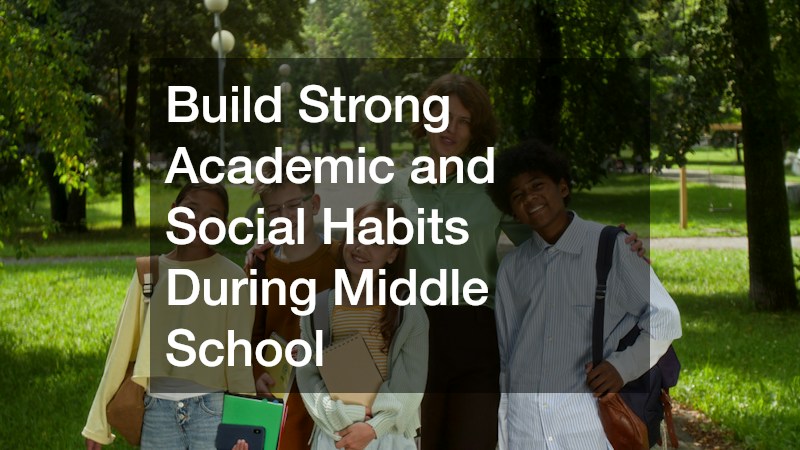
The middle school years often bring greater academic responsibility and more complicated social experiences. Students may need to manage several subjects, track assignments, and adapt to different teachers’ expectations. Families evaluating private middle schools should consider how each school helps students develop these skills.
Ask about academic advising, study support, classroom expectations, and opportunities for collaboration. Students benefit from learning how to organize their work rather than relying on adults to manage every assignment. Schools should also provide opportunities to develop communication, leadership, and problem-solving skills.
Families can reinforce these habits at home by helping students create a consistent study routine. Encourage them to:
- Use a planner or assignment tracking system
- Break larger projects into manageable steps
- Ask teachers questions when instructions are unclear
- Review completed work before submitting it
- Balance school responsibilities with personal interests
Check in regularly about workload and friendships. Support should gradually shift toward helping students make decisions independently, while remaining available when they need guidance.
Prepare for High School With Clear Academic Goals
High school introduces students to more advanced coursework and opportunities to explore specific academic interests. When considering a private college preparatory high school, review the curriculum, course options, advising resources, and extracurricular activities. The goal is to find an environment that challenges students while supporting their individual development.
Ask how students receive guidance when selecting courses. Find out whether they can explore different subjects before choosing a particular academic direction. A school should help students understand their options and make decisions based on their interests, strengths, and future plans.
During school visits, consider:
- Available academic subjects and elective courses
- Opportunities for independent projects
- Support for students who need academic assistance
- Guidance for planning future education
- Activities that encourage leadership and involvement
Discuss academic goals with your child, but avoid treating one career path or college plan as the only acceptable outcome. Interests can change as students gain experience. Encourage them to explore challenging subjects while maintaining a manageable schedule and making time for activities they enjoy.
Help Students Navigate Academic Transitions With Confidence
Moving from one educational stage to another can bring changes in schedules, relationships, classroom expectations, and responsibilities. When choosing a secondary school, families should consider how the institution supports students during these transitions and helps them become familiar with new routines.
Ask whether students receive orientation, academic guidance, or opportunities to visit before classes begin. These experiences can help children understand the environment and identify where to find assistance. Families should also review course expectations and discuss practical changes, such as organizing materials or managing a different schedule.
To support a smoother transition:
- Establish a consistent routine before the school year
- Review schedules and important school procedures
- Encourage students to introduce themselves to teachers
- Practice organizing assignments and materials
- Discuss concerns without dismissing them
During the first weeks, check in about both academic and social experiences. Some students adjust quickly, while others need more time. Recognizing small improvements and encouraging students to ask for help can strengthen their confidence as they adapt to new expectations.
Weigh School Options Against Your Child’s Needs

Families may compare different educational settings based on curriculum, class structure, student support, and school culture. Understanding the advantages of private schooling can be part of this process, but it is important to evaluate each school’s actual offerings rather than relying on general assumptions.
Review the school’s academic programs, extracurricular activities, communication practices, and approach to student support. Consider whether the environment aligns with your child’s learning preferences and social needs. Ask how teachers respond when students require additional instruction or want to pursue more challenging work.
A useful comparison should include:
- Curriculum and teaching methods
- Class structure and student support
- School culture and expectations
- Extracurricular opportunities
- Tuition and additional expenses
Visit schools when possible and prepare questions in advance. Ask students and educators about their experiences, and review policies that may affect your family. The right choice should reflect your child’s needs, your educational priorities, and the resources your family can reasonably commit.
Use School Breaks to Maintain Learning and Explore Interests
School breaks can provide time to review academic skills, discover new interests, and enjoy experiences outside the classroom. Families considering summer schools should first identify the purpose of enrollment. Some programs focus on academic reinforcement, while others introduce new subjects or provide structured enrichment.
Ask program organizers about learning goals, schedules, class formats, and student expectations. Determine whether the program is designed for students who need additional practice or those who want to explore a particular subject. Make sure the workload and schedule are appropriate for your child’s needs.
When planning a school break, consider:
- Choosing one or two meaningful learning goals
- Including activities that reflect your child’s interests
- Leaving time for rest and unstructured play
- Reviewing program expectations before enrolling
- Discussing what your child hopes to learn
A balanced break can include reading, creative projects, outdoor activities, family experiences, and time with friends. Avoid scheduling so many activities that children have little opportunity to relax. Breaks should support continued growth while allowing students to return to school refreshed.
Encourage Discipline and Confidence Through Physical Activities
Physical activities can complement classroom learning by giving children opportunities to practice focus, persistence, cooperation, and self-control. When exploring jiu-jitsu classes, families should consider the instructor’s teaching approach, class structure, safety practices, and suitability for the child’s age and experience.
Observe a class before enrolling. Notice how instructors explain movements, supervise students, and respond when children have difficulty. A supportive environment should encourage participation and progress without making students feel embarrassed about mistakes.
Ask the instructor:
- How are beginners introduced to the activity?
- What safety expectations are taught?
- How are students grouped by age or experience?
- How is individual progress recognized?
- What equipment or clothing is required?
Discuss your child’s goals and concerns before the first class. Some children may be interested in learning new movement skills, while others may enjoy the social experience or structured practice. Focus on effort, participation, and enjoyment rather than comparing your child with classmates. Positive experiences can encourage children to keep trying when learning something unfamiliar.
Support Creativity and Social Development Through the Arts

Creative activities give children opportunities to express ideas, develop coordination, and participate in shared experiences. A local dance lesson can introduce students to movement, rhythm, structured practice, and creative expression while allowing them to explore an interest outside their regular schoolwork.
When choosing a class, consider the child’s preferred style of movement and comfort with group instruction. Ask about class size, teaching methods, experience requirements, and performance expectations. Some children enjoy preparing for performances, while others prefer learning routines without the pressure of appearing onstage.
Before enrolling, consider:
- Observing a class to understand the teaching environment
- Asking whether beginners are welcome
- Reviewing practice expectations and schedules
- Checking whether clothing or equipment is required
- Considering the child’s interest and energy level
Encourage children to recognize their own progress as they learn new movements and routines. Avoid making participation dependent on immediate achievement. Creative activities can help students develop patience, confidence, and an appreciation for learning through practice.
Supporting student growth requires thoughtful decisions about educational environments, academic expectations, and opportunities beyond the classroom. Families can begin by understanding their child’s learning needs and comparing schools based on teaching approaches, student support, classroom culture, and communication. As children move through different educational stages, they may benefit from guidance that helps them develop independence, manage responsibilities, and approach new challenges with confidence.
Families should also remember that student growth is not always measured by grades, test results, or completed milestones. A child who becomes more willing to ask questions, work through a difficult task, make friends, or try an unfamiliar activity is developing valuable skills. Recognizing these smaller achievements can help children feel encouraged and motivated to continue learning. By creating a supportive home environment and maintaining open communication with educators, parents can help students understand that learning is an ongoing process.
Enrichment activities can also contribute to a well-rounded experience by giving students opportunities to explore interests, practice skills, and build relationships. However, children need time to rest, play, and enjoy experiences without constant pressure to perform. The goal is not to create the busiest schedule, but to choose meaningful opportunities that support continued development. By listening to children, recognizing their progress, and adjusting plans as their needs change, families can help them build a positive foundation for learning, personal growth, and future success.