The decision to enroll your child in a preschool can be one of the most significant choices you make as a parent. With numerous options available, from public to private preschools, each type presents unique advantages and challenges. However, many families leaning towards private preschool education often wonder if the investment is truly worth it.
This post aims to delve into the various benefits of private preschools, showcasing how their structured environments, specialized curriculums, and smaller class sizes can provide an invaluable foundation for your child’s development.
Personalized Attention and Smaller Class Sizes
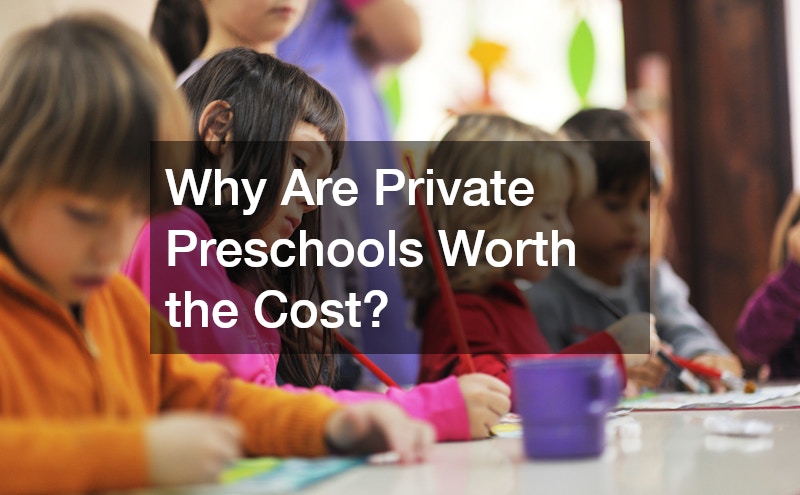
One of the standout features of private preschools is the smaller class sizes they typically offer. This allows educators to give each child more personalized attention, fostering a supportive and nurturing learning environment. In contrast to larger public preschool settings, where teachers may be stretched thin managing numerous students, private schools often maintain a low student-to-teacher ratio. This individualized approach helps educators tailor their teaching styles to meet the specific needs of each child, ensuring they receive the help they need to thrive. When children feel valued and understood, their confidence and love for learning can blossom, contributing positively to their development.
Specialized Curriculums and Enrichment Opportunities
Private preschools frequently establish specialized curriculums that cater to unique educational philosophies or developmental theories. Many of these institutions integrate innovative teaching methods such as Montessori, Waldorf, or Reggio Emilia approaches, which are designed to foster creativity, critical thinking, and problem-solving skills at a young age. Moreover, private preschools often incorporate enrichment programs that focus on specific subjects such as arts, music, or languages. These additional offerings provide children with a more rounded educational experience that goes beyond basic academics. With opportunities to explore diverse interests, children develop a broad skill set that can serve them well throughout their educational journey.
Enhanced Social Skills and Peer Interaction
Socialization is a vital aspect of early childhood education, and private preschools provide an excellent platform for children to enhance their social skills. With smaller class sizes, children have more opportunities to interact with peers, engage in group activities, and build meaningful relationships. Private preschools often emphasize collaborative learning and peer engagement, allowing children to learn teamwork, communication, and empathy from an early age. Furthermore, because families who choose private education often share similar values and aspirations for their children, children have the chance to build friendships with peers who are likely to remain in their educational trajectory. This alignment in social environment can lead to a more cohesive and supportive community for families.
Parental Involvement and Community Engagement
Parental involvement is a core principle in many private preschools, creating a partnership between families and educators that significantly benefits the child’s learning experience. Private preschools often encourage parents to participate in classroom activities, volunteer opportunities, and community events, fostering a sense of community and teamwork. This engagement allows parents to stay informed about their child’s progress and reinforces the lessons their children learn at school. Moreover, the strong emphasis on community connections encourages families to collaborate in supporting each other’s children. As parents are increasingly invested in their child’s education, it can lead to a more enriching environment filled with shared experiences and support systems.
Focus on Holistic Development
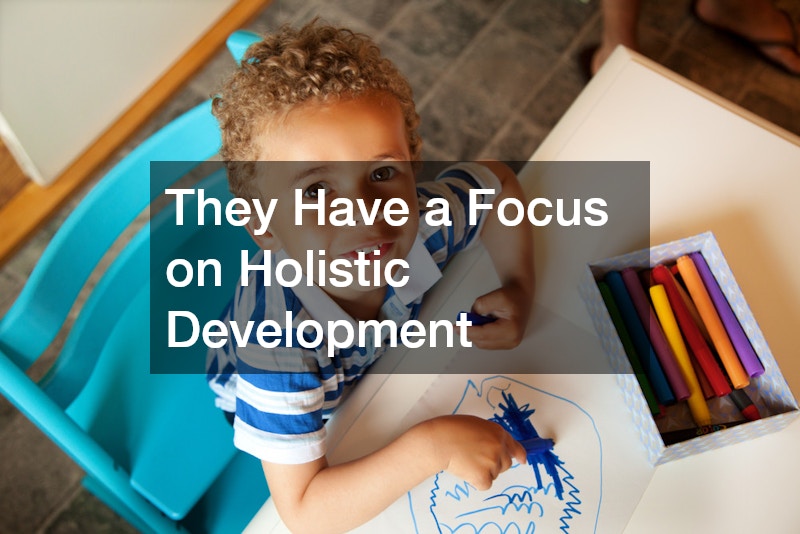
Unlike some public preschools that may focus primarily on academic skills, private preschools often promote a holistic approach to education. This means that, in addition to cognitive development, they prioritize emotional, social, and physical growth as well. Many private preschool programs include physical activities, mindfulness practices, and emotional intelligence curricula that contribute to well-rounded development. Children are encouraged to explore their emotions and learn coping strategies, which can be vital skills for navigating schooling and life challenges in general. This holistic focus aligns with the growing understanding that early childhood education should not only prepare children for academic success but also for life beyond the classroom.
While the cost of private preschools can be a significant investment, the benefits they offer make them worth serious consideration for families. With smaller class sizes that allow for personalized attention, specialized curriculums that foster creativity and critical thinking, and a focus on holistic development, private preschools can provide a strong educational foundation. Furthermore, the engagement of families within these communities enhances social skills and allows children to thrive in collaborative environments. When evaluating your options for early childhood education, consider how the unique advantages of private preschools align with your family’s values and your child’s needs—this investment could pave the way for lifelong success.