Surgical eye equipment training plays a crucial role in ensuring the safety and effectiveness of eye care procedures. With the rapid advancement in medical technology, surgical equipment has become more sophisticated, requiring specialized knowledge and skills to operate. Therefore, providing adequate training for employees who will handle these tools is imperative for any healthcare facility that values high-quality patient care.
The precision required in eye surgery leaves zero room for error, making the training of personnel integral to the success of surgeries. Trained employees become adept at using equipment, minimizing the risk of accidents or mishaps during procedures.
Additionally, proper training boosts team confidence, allowing them to execute their duties with a greater degree of competency and assurance.
Beyond safety, well-conducted surgical eye equipment training enhances workflow efficiency and overall operational effectiveness. Employees who understand the intricacies of surgical equipment are better prepared to perform their jobs, leading to smoother surgeries and improved patient outcomes. This understanding creates an environment where both staff and patients feel secure, fostering an atmosphere of trust and professionalism in the healthcare setting.
Designing an Effective Training Program
An effective surgical eye equipment training program begins with an assessment of the current skill levels of your employees. This assessment helps to identify the areas that require attention and development, forming the foundation of a tailored training plan. By customizing the program to meet the specific needs of your staff, you ensure that the training outcomes align with the goals and standards of your healthcare facility.
Incorporating a mix of theoretical and practical training methods is essential for a comprehensive understanding of surgical eye equipment. While theory provides the necessary knowledge regarding the equipment’s functions and safety protocols, hands-on training reinforces this knowledge, allowing employees to practice and perfect their skills. This approach not only boosts knowledge retention but also enhances the confidence of staff members when they are required to use the equipment in real-world scenarios.
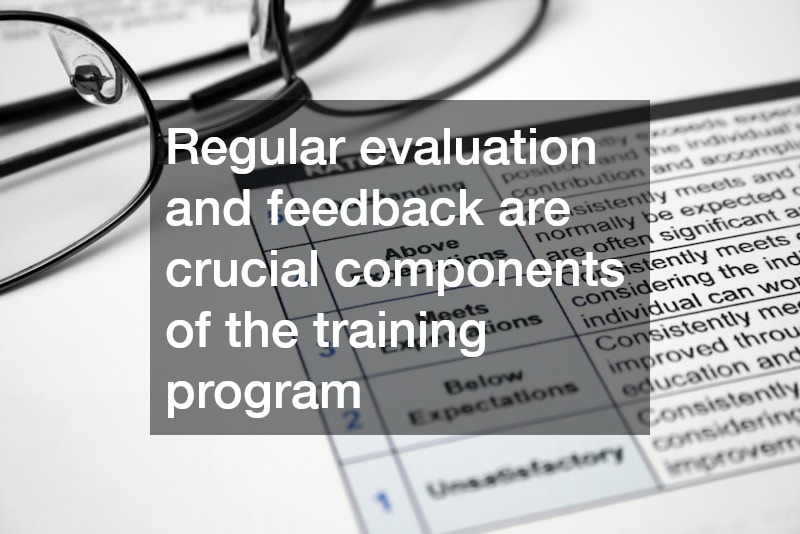
Regular evaluation and feedback are crucial components of the training program. By monitoring training progress and offering constructive feedback, you can address any gaps in knowledge or skills promptly. Regular updates to the training materials ensure that the content remains relevant, incorporating the latest advancements in surgical technology. This dynamic approach to training guarantees that your staff remains at the forefront of technological proficiency in eye surgery.
Engaging Expert Trainers and Leveraging Technology
Hiring experienced trainers who possess deep expertise in surgical eye equipment is pivotal for impactful employee training. Expert trainers bring a wealth of knowledge, share real-life experiences, and provide insights that empower your staff with practical skills. A collaborative approach with these trainers ensures that the training sessions are interactive and engaging, facilitating an effective learning environment.
Incorporating advanced technology tools into your training program can greatly enhance the learning experience. Virtual reality (VR) and simulation-based training, for instance, allow employees to practice in simulated environments that mimic real operating rooms. These technologies provide a safe platform for hands-on practice, enabling staff to experiment and learn from their mistakes without any risks to patients.
The use of e-learning platforms and digital resources also supports continued learning beyond structured training sessions. Employees can access educational materials, video tutorials, and online modules at their convenience, reinforcing their skills and knowledge. This blend of expert human guidance and technological resources creates a versatile and effective learning model, equipping your team with comprehensive skills in surgical eye equipment usage.
Creating a Culture of Continuous Learning
Establishing a culture of continuous learning ensures that your staff remains adaptive and evolves with the advancements in surgical technology. Encouraging employees to attend workshops, conferences, and seminars keeps them informed about emerging trends and innovations in the field of eye surgery. Reinforcing a mindset of lifelong learning promotes a proactive attitude toward professional growth and development.
Mentorship programs within your facility create opportunities for less experienced staff to learn from seasoned professionals. By fostering an environment where knowledge is shared openly, you activate a network of internal expertise that enhances the overall competency of your team. Open lines of communication and regular team meetings further contribute to this collective growth, cultivating a learning-friendly atmosphere.
Recognizing and rewarding contributions toward personal and professional development significantly boosts employee morale and motivation. Providing incentives for continued education not only honors the efforts of those pursuing further expertise but also inspires others to follow suit. This positive reinforcement is a powerful tool in building a committed and highly skilled workforce, ultimately elevating the standard of patient care and maintaining the reputation of your healthcare facility.
Evaluating the Impact of Training
The final step in a successful surgical eye equipment training strategy is evaluating the impact of the program. Post-training assessments are critical to measure how well employees have absorbed the knowledge and skills. These assessments involve practical tests and observational evaluations to ensure that staff can efficiently and safely operate the surgical equipment.
Gathering feedback from participants on the training sessions also provides valuable insights into the effectiveness of the training methods. By understanding what works well and what requires improvement, you can continuously refine and enhance the training process, ensuring it remains relevant and effective over time. This iterative approach ensures that the training program evolves in line with technological advancements and the evolving needs of your healthcare operation.
Ultimately, the success of a training program is reflected in the quality and outcomes of the surgical procedures conducted. A noticeable reduction in errors, increased employee productivity, and improved patient satisfaction are indicators of the program’s success. Regular reviews and audits of these metrics provide evidence of the training’s impact, supporting ongoing improvements and solidifying the role of training as a cornerstone of exceptional patient care.