The world is becoming increasingly interconnected. Advances in technology, transportation, and communication have made it easier than ever for people from different countries and cultures to interact, collaborate, and learn from one another. As a result, many parents are looking for educational environments that can help their children develop the skills and perspectives needed to succeed in a global society.
Early childhood education plays a critical role in shaping a child’s future. During the kindergarten years, children begin building the academic, social, and emotional foundations that will support them throughout their educational journey.
They learn how to communicate, solve problems, work with others, and explore the world around them. The experiences they have during these formative years can influence their confidence, adaptability, and willingness to embrace new opportunities.
For families seeking a well-rounded educational experience, an international kindergarten can offer unique advantages. By combining strong academic foundations with multicultural learning opportunities, these programs help young learners develop the skills necessary to thrive in a rapidly changing world. Through exposure to diverse perspectives and experiences, children gain valuable tools that can support lifelong success.
Encouraging Cultural Awareness From an Early Age
One of the most significant benefits of international education is the opportunity for children to learn about different cultures from a young age. Exposure to diverse traditions, languages, customs, and perspectives helps children develop a broader understanding of the world around them.
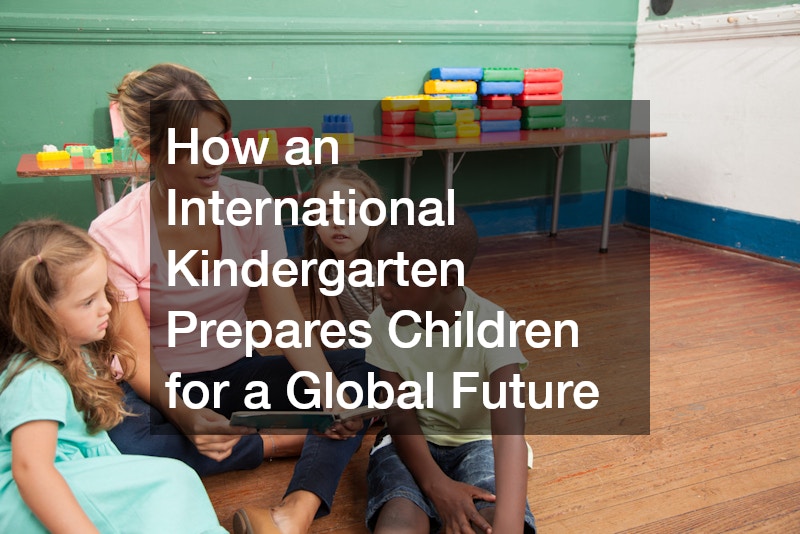
In multicultural classrooms, students often interact with peers from various backgrounds. These daily interactions teach respect, empathy, and appreciation for differences. Children learn that people may have different ways of living, celebrating, and communicating, yet share many common values and experiences.
Developing cultural awareness during early childhood can help children become more open-minded and accepting as they grow older. These qualities are increasingly important in a world where collaboration across cultures is becoming more common in both personal and professional settings.
Supporting Language Development
Language skills are among the most valuable tools children can acquire during their early years. Young learners have a remarkable ability to absorb new languages and communication styles, making kindergarten an ideal time to introduce multilingual experiences.
Many international educational programs provide opportunities for children to learn and practice multiple languages. Exposure to different languages can improve listening skills, enhance cognitive development, and strengthen communication abilities.
Learning additional languages also encourages children to think flexibly and approach problems from different perspectives. These benefits often extend beyond language acquisition and contribute to overall academic growth.
Building Adaptability and Flexibility
Adaptability has become one of the most important skills for success in the modern world. Rapid technological advancements, evolving industries, and changing social environments require individuals to be flexible and open to new experiences.
Children who participate in diverse learning environments often become comfortable with change and uncertainty. They learn to interact with different people, explore unfamiliar ideas, and adjust to new situations with confidence.
An international kindergarten frequently emphasizes exploration, curiosity, and problem-solving. These experiences help children develop resilience and a positive attitude toward learning. Rather than fearing new challenges, they learn to view them as opportunities for growth and discovery.
This adaptability can provide lasting benefits as children progress through school and eventually enter the workforce.
Promoting Strong Social Skills
Social development is a major component of early childhood education. Kindergarten provides children with opportunities to build friendships, practice cooperation, and learn how to navigate social situations effectively.
In diverse classrooms, children often interact with peers who have different perspectives, experiences, and communication styles. These interactions encourage active listening, patience, and understanding.
Collaborative activities teach children how to share ideas, resolve conflicts, and work together toward common goals. These experiences help build confidence and prepare children for future group settings both inside and outside the classroom.
Strong social skills support academic success and contribute to healthy personal relationships throughout life. Learning how to connect with people from various backgrounds can also help children feel more comfortable in diverse environments as they grow older.
Developing Respect and Empathy
Empathy is an essential life skill that helps individuals understand and relate to others. Early childhood experiences play a major role in shaping a child’s ability to show compassion and consideration.
When children regularly engage with classmates from different backgrounds, they gain opportunities to understand experiences that may differ from their own. These interactions encourage kindness, tolerance, and mutual respect.
Learning about different cultures and perspectives can help reduce stereotypes and foster positive attitudes toward diversity. Children begin to appreciate that every individual has unique experiences and valuable contributions to offer.
These lessons create a foundation for responsible citizenship and meaningful relationships throughout life.
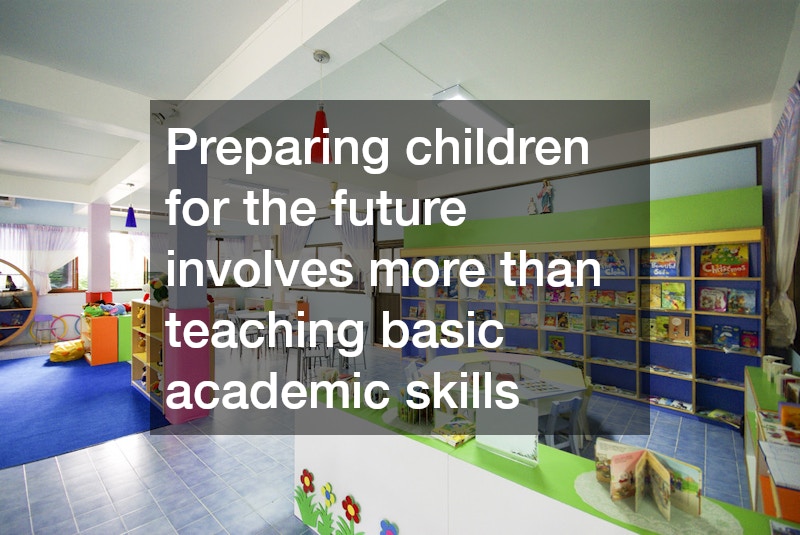
Preparing children for the future involves more than teaching basic academic skills. Today’s world requires individuals who can communicate effectively, adapt to change, collaborate with diverse groups, and approach challenges with curiosity and confidence. Early childhood education plays a critical role in developing these qualities.
Through multicultural experiences, language exposure, social development, and inquiry-based learning, children gain valuable skills that support long-term success. They learn to appreciate diversity, think critically, and engage positively with people from different backgrounds. These experiences help create well-rounded individuals who are prepared to navigate an increasingly interconnected society.
An international kindergarten provides an environment where young learners can begin building these important foundations. By encouraging cultural awareness, adaptability, empathy, and global perspectives, such programs help children develop the tools they need to thrive both academically and personally. As the world continues to evolve, these early experiences can play a meaningful role in shaping confident, capable, and globally minded individuals.