The preschool years are crucial in a child’s development, providing the foundation for future learning and success. In this article, we explore the learning opportunities provided in preschool settings.
Through a structured and nurturing environment, young children develop essential skills that prepare them not only for kindergarten but also for lifelong achievement. Parents and educators recognize the value of these formative years, making preschool a priority in educational planning. Discover how preschool education shapes young minds and fosters a love for learning in children.
1. What Skills Are Developed in Preschool?
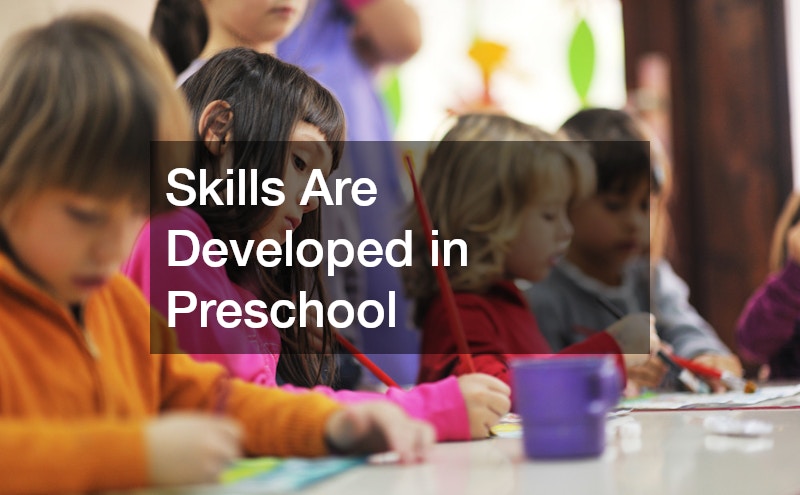
Preschool is a critical time for children to develop a wide array of skills. These include social skills, emotional regulation, fine motor abilities, and basic academic concepts. Children learn to collaborate, communicate, and form friendships, which are key to their social development. Additionally, they begin to understand and manage their emotions, an important aspect of emotional maturity. A preschool setting also introduces them to letters and numbers, laying the groundwork for literacy and numeracy.
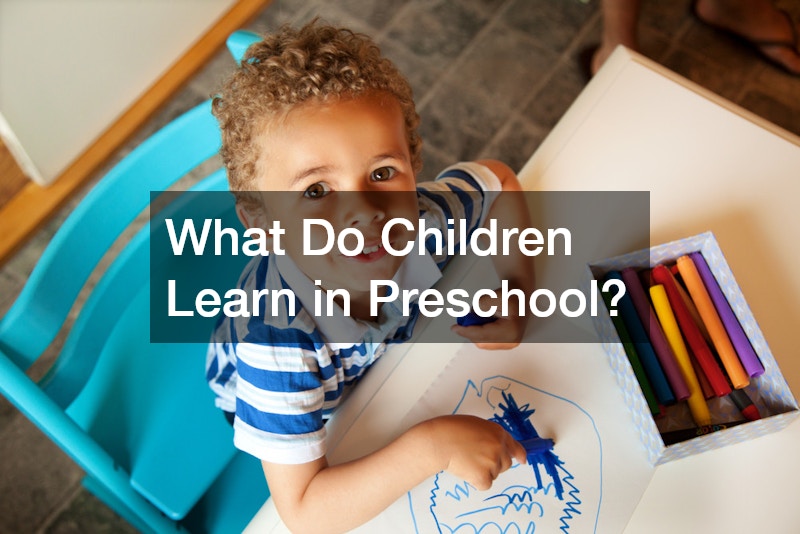
Preschools use various activities to enhance these skills, such as play-based learning, storytelling, and arts and crafts. These activities are designed to be hands-on, engaging children in a way that is both fun and educational. Working with puzzles and blocks enhances problem-solving and cognitive skills. Many preschools incorporate music and movement, which help children develop balance and coordination. The development of these skills is critical for instilling confidence and a sense of independence in children.
Furthermore, children’s language and vocabulary rapidly expand during this stage. Interacting with teachers and peers, children learn new words through conversations, songs, and stories. This immersion in language-rich environments contributes significantly to their communication abilities. Preschools play a vital role in fostering an appreciation for language by encouraging expression through various forms. By the time children are ready for kindergarten, they typically have a robust vocabulary and can communicate their needs and thoughts effectively.
2. How Does Preschool Curriculum Impact Readiness for Kindergarten?
The preschool curriculum is designed to prepare children for the more structured environment of kindergarten. It introduces them to routines, instructions, and the progression of activities, helping ease the transition. Teachers focus on developing essential skills, like listening, following directions, and participating in group activities, which are crucial for kindergarten readiness. Classrooms are often organized into different learning centers, each catering to different areas of development, such as literacy, math, science, and art. By the time children reach kindergarten, they are familiar with an organized learning environment and routines.
Moreover, the preschool curriculum incorporates age-appropriate educational content that boosts readiness. Early literacy activities, such as recognizing letters and sounds, form the base for reading skills. Similarly, counting, sorting, and pattern recognition are foundational math skills taught in preschool. Teachers often use themes and interactive experiences to make learning engaging and relevant. These activities provide children with a sense of accomplishment, encouraging their enthusiasm for learning new concepts. Overall, the curriculum not only focuses on academic skills but also emphasizes social and emotional growth.
The integration of play in the preschool curriculum is another key component that enhances readiness for kindergarten. Play encourages exploration, experimentation, and interaction among children, which are essential for holistic development. Through play, children learn important social cues, negotiation skills, and conflict resolution. This experiential learning prepares them for the collaborative nature of kindergarten classrooms. By fostering curiosity and a love for discovery, preschool education sets the stage for a positive and successful kindergarten experience.
3. What Role Does Play Have in Learning?
Play is at the heart of preschool education, acting as a primary mode of learning for young children. It allows them to explore their surroundings, express creativity, and engage socially with peers. Preschool environments are rich with opportunities for imaginative play, which nurtures cognitive development and problem-solving skills. During play, children practice decision-making, cooperation, and experimentation, allowing them to learn in a context that is meaningful and enjoyable. This hands-on approach to learning makes complex concepts more accessible to young minds.
Additionally, play in preschool supports emotional development. It provides a platform for children to understand and express their emotions healthily. Role-playing and storytelling help them imagine different situations, providing practice in empathy and perspective-taking. Children learn the value of sharing, taking turns, and patience through group play activities. These interactions cultivate emotional intelligence and help children build strong interpersonal skills that are invaluable as they grow older.
Moreover, physical play is crucial in the development of fine and gross motor skills. Activities such as climbing, jumping, and running help improve coordination and muscle strength. Fine motor activities, like cutting and drawing, enhance dexterity and hand-eye coordination. These physical activities are essential for healthy development and instill a lifelong appreciation for physical fitness and activity. Thus, play is an integral part of preschool learning, promoting overall growth and laying a strong foundation for future academic and life successes.
4. How Do Teachers Facilitate Learning in Preschool?
Preschool teachers play a crucial role in facilitating a child’s early learning experiences. They create supportive and safe environments where children feel secure to explore and learn. Teachers plan developmentally appropriate activities that align with each child’s learning needs and interests. By observing children’s play and interactions, teachers can tailor their approach to guide learning effectively. Their role is to provide guidance, support, and encouragement, fostering a love for learning in each child.
Teachers also help children develop social skills and emotional resilience. By modeling respectful communication and positive behavior, they set examples for children to follow. Classroom activities often include group projects and cooperative games, encouraging children to work together and build social bonds. Teachers address conflicts and help children learn conflict resolution strategies, preparing them for future social interactions. This guidance helps children become independent learners and positive contributors to their communities.
Moreover, teachers collaborate with parents to reinforce learning at home. They provide insights into children’s progress and offer suggestions for supporting development outside the classroom. By maintaining open lines of communication, teachers and parents ensure a consistent approach to nurturing each child’s growth. This partnership is vital for the continued development of children, as it reinforces learning and provides a broader understanding of a child’s needs and accomplishments. Ultimately, preschool teachers play an indispensable role in shaping a child’s educational journey.
5. Why Is Preschool Considered Important for Child Development?
Preschool is considered a cornerstone of early childhood education, offering numerous benefits that extend beyond academic growth. These years provide essential opportunities for socialization, emotional development, and building foundational skills. Children in preschool settings interact with peers and adults, learning important lessons in sharing, collaboration, and empathy. Such social experiences are critical for nurturing well-rounded individuals who can thrive in diverse environments. Overall, preschool lays the groundwork for both personal and educational success.
Another significant aspect of preschool is its ability to identify and support developmental needs early. Teachers trained in early childhood education can recognize potential challenges or advanced skills a child may exhibit. This early identification allows for timely interventions or enrichment activities, ensuring each child receives the appropriate developmental support. Early childhood assessments are integral to personalizing education, creating a pathway for continued learning and overcoming challenges. By addressing these needs early, preschools contribute to closing the achievement gap and promoting educational equality.
The impact of preschool on lifelong learning cannot be overstated. Experiences gained during this time foster curiosity, creativity, and a love for learning that persists throughout an individual’s academic career. Preschool teaches children how to learn, encouraging them to ask questions, seek answers, and explore the world around them. These skills become invaluable as children continue through their educational journeys, adapting to new subjects and challenges with confidence. Therefore, preschool is a critical milestone that supports holistic child development and prepares children for future success.
Preschool education plays a significant role in shaping a child’s future by building a strong educational and social foundation. The skills and experiences gained pave the way for continued growth and achievement. By offering a blend of play and structured learning, preschools foster an environment where young children thrive. The various developmental areas targeted during these early years ensure that children are well-rounded, resilient learners. Through the dedication of preschool educators and the support of families, children are equipped with the tools they need to succeed as lifelong learners.